
You don’t need the exact $250 pair of cleats an NFL kicker wears to begin. You need a cleat that helps your athlete feel balanced, comfortable, and confident making the same swing over and over again.
For most young kickers, the best cleat is not always the most expensive one. It is the one that feels natural on the foot, stays stable through the plant and finish, and allows the athlete to train without fighting the shoe.
Who It’s For
This guide is for:
- parents buying a first pair of kicking cleats
- soccer players transitioning into football kicking
- young kickers trying to understand what actually matters
- families who want to make a smart choice without overspending
If your athlete is early in the journey, this page should help you avoid common mistakes and focus on what really supports development.
What Matters Most in a Kicking Cleat
Here are the main things I would look for:
1. Low-profile feel
Most kickers do well in a cleat that feels closer to the ground. A lower-profile shoe can help the athlete feel more stable and more connected during the approach, plant, and finish.
2. Size & Comfort
The size of the shoe should be snug but comfortable. I typically recommend a half size smaller than you typically wear in a tennis shoe, maybe even a full size depending on the brand. Again, snug but comfortable is the best way to describe the goal of the cleat size….I want to feel the ball but comfortably walk around, like a glorified sock.
I used to stand in a bucket of water with my new cleats to try and ‘mold’ them to my foot. That’s what I mean by a tight but comfortable feel if that helps. If the shoe is uncomfortable, too stiff, or distracting, it becomes part of the problem. The athlete should not be thinking about the shoe during the swing.
3. Clean contact feel
Sizing down is one way to create feel, but material is critical. The less, the better, especially on the top of the foot where the navicular bone is because that’s where we’ll be making contact with the ball ideally. Some cleats feel bulky, soft in the wrong places, or awkward across the striking surface. Others feel cleaner and more natural coming through the ball. That difference matters, and we’ll take a look at different types of cleats below to highlight different materials and profiles.
4. Reliable traction
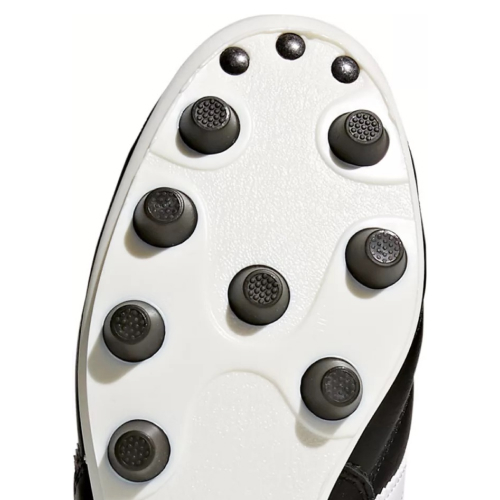
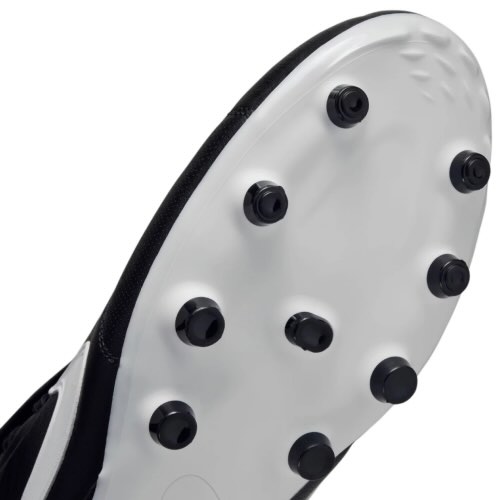
The athlete needs to feel secure on the plant foot and confident driving through the finish. Good traction matters, but that does not mean the most aggressive stud pattern is automatically best. In fact, as you’ll see below, my favorite cleat studs are not very large at all. We want just enough grip, but not large plastic cleats dragging through the swing.
5. Repeatability
This is the big one. A good cleat should help the athlete repeat sound movement patterns. If a shoe feels unstable, clunky, or overly bulky, it can make consistency harder.
Main Types of Cleats
There is no single perfect cleat for every kicker. In general, most kicking cleats fall into a few broad categories.
The visuals below should be helpful (and I’ve linked some of them to Amazon for details), but I think you’ll find some common ideas in general after reviewing each.
As far as price, many styles might be offered in price tiers, like a $69 pair for kids but a $250 pair for adults, etc. Just look for the characteristics discussed below and there is no need to overspend, especially as your athlete might be outgrowing cleats year to year (or in some case, months!)
Classic leather cleats
These are the more traditional soccer-style cleats. They tend to have a softer feel and a more natural fit. Yes, they are pricey compared to some other options below, but it’s a very comfortable cleat for kicking.
Examples often include models similar to:
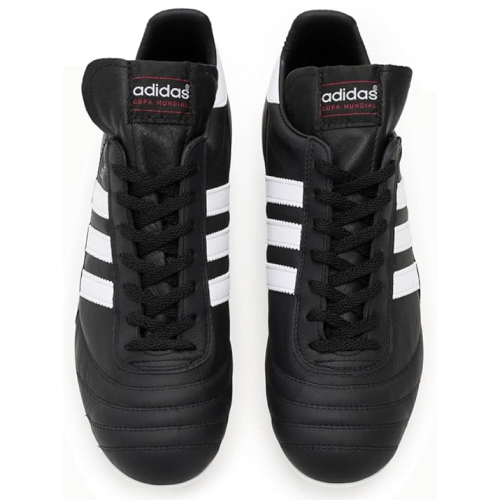
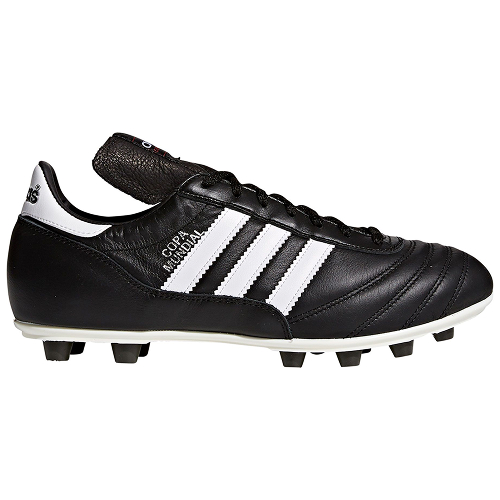
- Adidas Copa Mundial
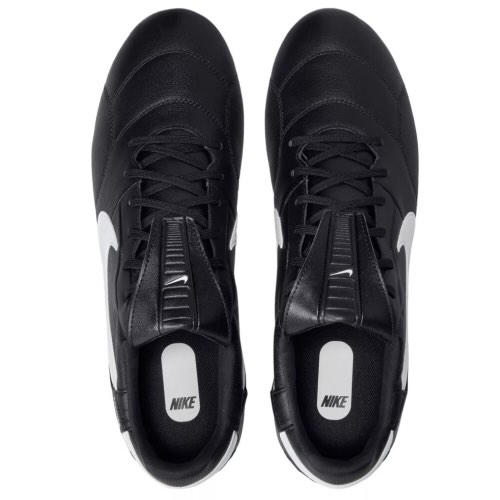
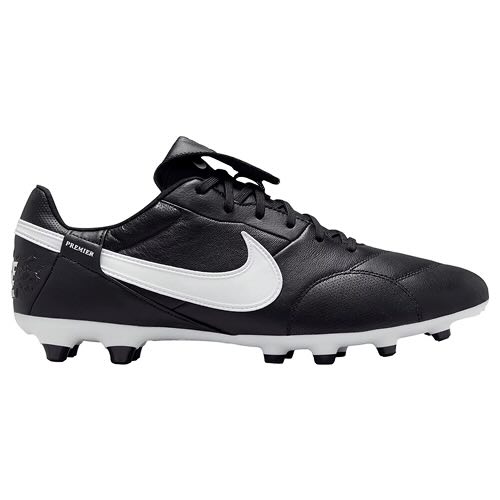
- Nike Premier
I have a pair of the Adida Copa Mundials in my bag right now from my adult league soccer season many years ago, love them when I occasionally demo football kicks for my students.
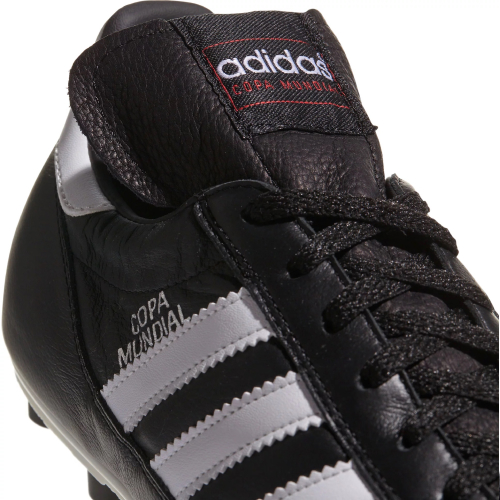
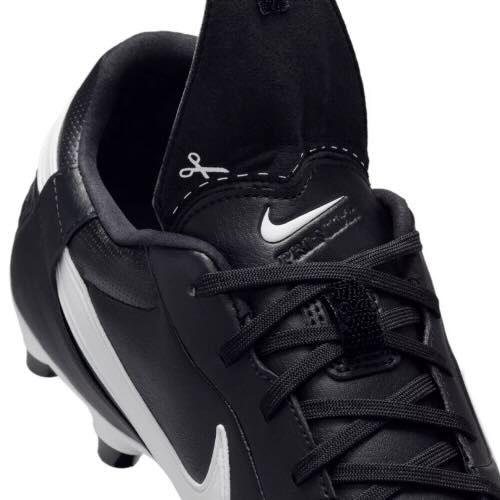
One quick observation, the basic Copa design has not changed in decades, so it’s a testament to the feel and effectiveness when kicking a ball (soccer or football). I think the Nike Premier 3 is just Nike’s version of this classic style.
I’ve mixed in views of both the Adidas Copa and Nike Premier so you can see how similar they are.
One thing on that big ‘tongue’ you see…not sure why they include that but you can just cut it off with a pair of scissors!
These can be a great option for athletes who like a softer upper and a more classic, less “tech-heavy” feel.
Adidas Copa Mundial Pair View
Nike Premier 3 Pair View
Adidas Copa Mundial Side View
Nike Premier 3 Side View
Adidas Copa Mundial Top View
Nike Premier 3 Top View
Adidas Copa Mundial Bottom View
Nike Premier 3 Bottom View
Structured modern cleats
These cleats still feel soccer-oriented, but with a bit more structure and padding.
A common example would be:
- Nike Tiempo-type models
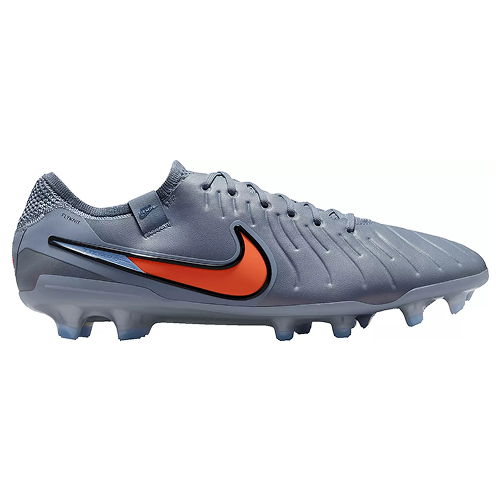
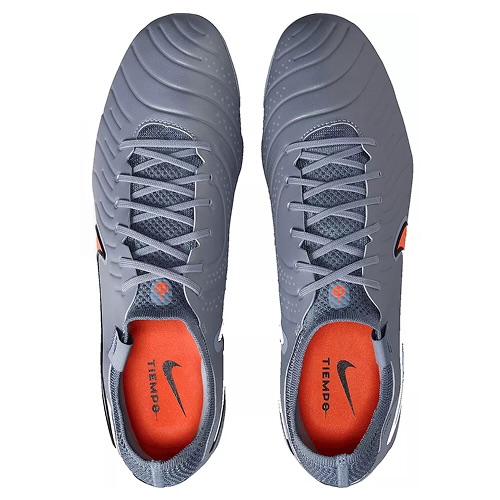
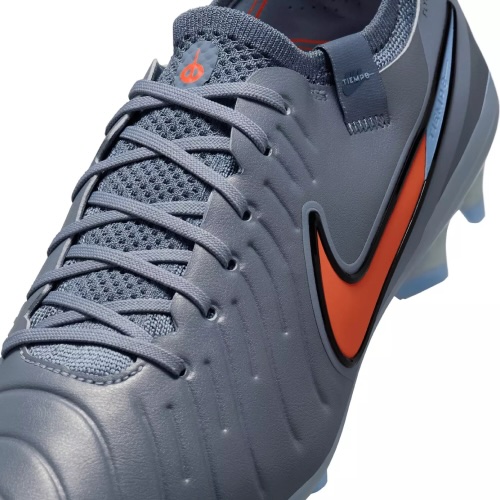
I like the material on this cleat, it’s thin and breathable. The laces are flat, and the shoe is light. It’s no wonder I see so many kickers wearing the Tiempo from Nike.
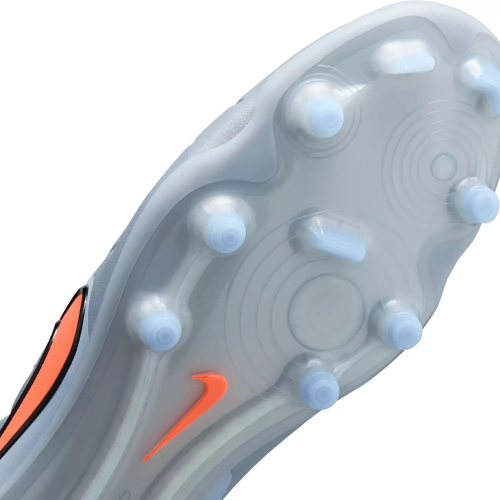
These can work well for athletes who want something that still feels traditional, but with a little more substance. The cleats on the bottom should provide for solid traction but not overwhelm.
This particular pair on Amazon was running around $134 at last check, but I saw other colors and variations as low as $63 when researching this shoe.
I’ll throw in one more in this category.
Nike Tiempo Side View
Nike Tiempo Pair View
Nike Tiempo Top View
Nike Tiempo Bottom View
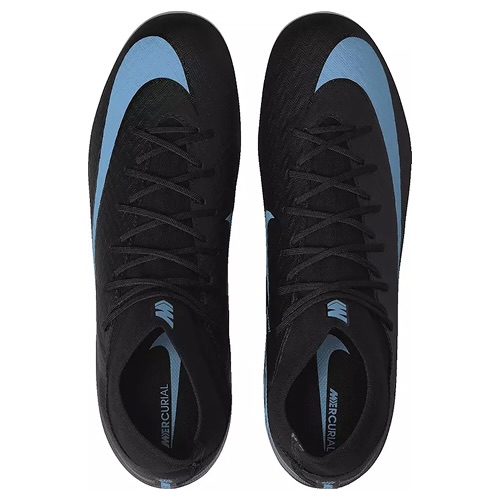
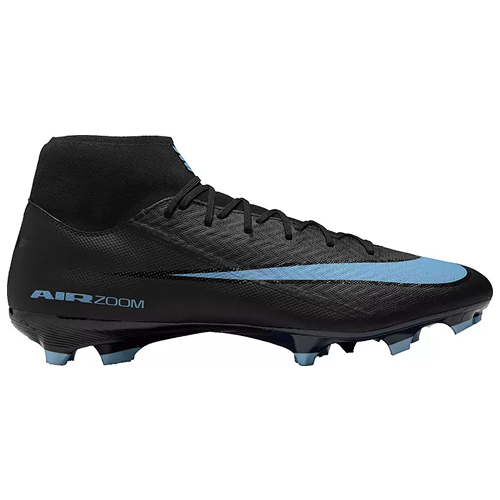
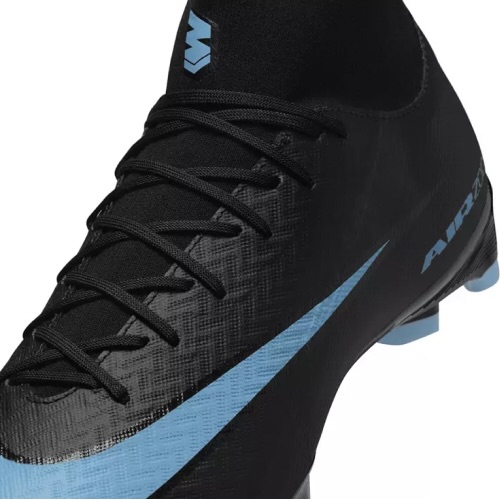
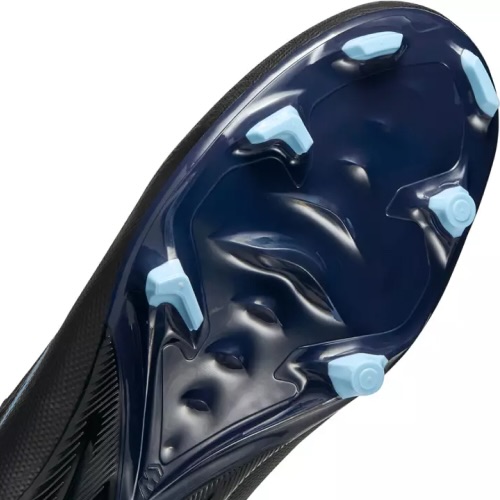
Thin synthetic speed cleats
These are the sleek, lightweight, modern speed boots. They often feel tighter, thinner, and more locked in.
A common example would be:
- Nike Mercurial-type models
Some kickers love this feel. Others do not. These can work well for athletes who prefer a very light, close-fitting shoe.
You might notice the cleat studs are not round, but they are small enough to provide traction without feeling heavy or obstructing the swing.
I’ve never kicked in these, but they are very popular, might be worth a look at the right price point.
Nike Mercurial Pair View
Nike Mercurial Side View
Nike Mercurial Top View
Nike Mercurial Bottom View
What NFL Kickers Wear
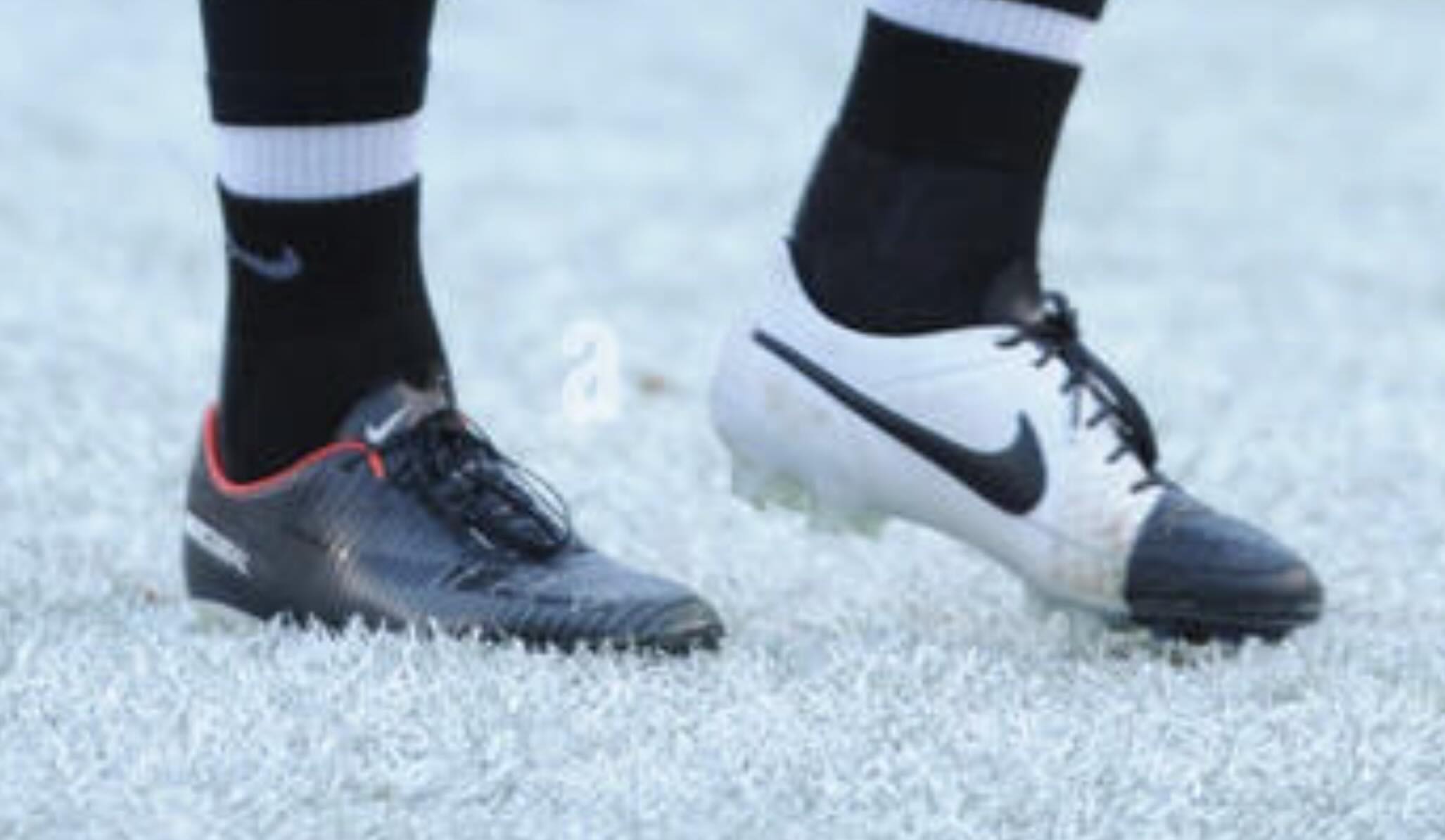
If you watch NFL kickers closely, you will notice that many appear to wear Nike models. That is a real pattern I see over and over, just take a look yourself sometime. You will also notice that they do not all wear the same type of Nike cleat.
In fact, you’ll often notice that because they play on so many different surfaces, they’ll often wear a different shoe on the plant foot than they do on the kicking foot (I did the same in college and NFL). This is generally not necessary in high school, when most of the field surfaces are consistent.
However, if you are in a part of the country where weather is a regular factor or surfaces change, there is a real reason to consider a different shoe for the plant foot (like a flat bottom for turf). It’s really personal choice here.
Some seem to prefer:
- softer, more classic leather-style boots
- more structured traditional models
- thin synthetic speed-style cleats
That tells you something important: even at the highest level, there is not one universal answer.
It is also worth remembering that pro athletes may have brand relationships, long-standing preferences, custom fits, or years of familiarity with a particular model. So while it is interesting to observe what NFL kickers wear, that should not be the starting point for a young athlete.
The better question is not, “What does an NFL kicker wear?”
The better question is, “What helps this athlete feel stable, comfortable, and repeatable right now?”
What I Recommend for Beginners
For most beginners, I would start simple. Go to a local sporting goods store where you can physically try on some of the brands and styles. Test the size….how form fitting can you fit the cleats but still comfortably walk around, etc?
I wear at 10.5 tennis shoe but often wore a 10 or 9.5 cleat depending on the brand and fit.
A good first kicking cleat is usually:
- a soccer-style cleat
- low profile
- comfortable right away
- not overly bulky
- not chosen just because it is expensive or flashy
That is usually a much better starting point than a heavy football position cleat or a shoe loaded with features the athlete does not need.
If a young kicker already has a soccer background, there is often a good chance they may feel comfortable in a soccer-style cleat from the start. In fact, many kickers just use the worn in cleat they already have from soccer which is completely fine if it serves the needs based on what we’ve talked about on this page.
Don’t Overbuy Early
This is where a lot of families can waste money if not careful.
Be careful not to assume:
- the most expensive cleat is the best cleat
- the cleat a pro wears is automatically right for your child
- flashy design means better performance
- more structure always means more support
- the shoe will fix poor mechanics
A cleat can support sound movement, but it cannot create sound movement on its own.
That is why I always encourage families to keep the focus on fundamentals first. Buy gear that supports development. Do not expect gear to replace it.
Coach’s Take
If I had to simplify this down to one principle, it would be this:
The best kicking cleat is the one your athlete forgets about. Not because it is unimportant, but because it fits so naturally and feels so stable that it stays out of the way. That is what you want.
The shoe should support clean movement, balanced finishes, and consistent contact. It should not become a distraction. It should not force the athlete to adjust around it. And it definitely does not need to be the most expensive option on the shelf.
Start with fit. Start with feel. Start with function. Everything else comes after that.
Once your cleats are settled, it’s time to look at some footballs.